Fewer farms, bigger stakes: How agriculture is changing in the Charlotte region
By Kailas Venkitasubramanian, Ph.D. and Asha Ellison
Agriculture remains an essential part of the Charlotte region, but it is undergoing a profound transformation. New analysis of the 2022 U.S. Census of Agriculture shows that while farms are becoming fewer, larger and more productive on average, the long-term future of farming is increasingly uncertain as development pressures, rising land costs and an aging producer population reshape the landscape.
In fact, between 2017 and 2022, the Charlotte region lost 760 farms. Across 14 counties, that’s a decline of eight percent – nearly one in every 13 farms.
Today, more than 8,900 farms continue to operate across the region, but those that remain are increasingly concentrated in fewer hands. This pattern mirrors national trends documented by the U.S. Department of Agriculture, where larger commercial operations have steadily absorbed land from smaller farms over the past several decades.
The Charlotte region also faces another challenge: it’s one of the fastest-growing metropolitan areas in the South. As housing and commercial development expand outward, farmland is not simply being taken out of production temporarily – it is being permanently converted to subdivisions and other low-density development.
The result is a changing agricultural economy that looks very different depending where you stand.
To better understand the nuance of this phenomenon, Kailas Venkitasubramanian, director of research analytics at the Charlotte Urban Institute, analyzed the trends and contributing factors of the accelerated agricultural change in a technical report titled, “Fewer farms, bigger stakes.” The essay is a longer, yet vital, read, for those who wish to take a closer look at how this agricultural shift not only affects our lives today, but could also shape the future. Whether you’re a curious community member, educator, or agriculturalist, it’s recommended that you read the full essay for the greater context and clarity on this topic. To read the abbreviated version, please continue reading below.
Contrasts across the region
Agriculture in the Charlotte region is far from uniform. Western counties such as Cleveland and Catawba remain dominated by pasture, livestock and hay production, while eastern counties including Union and Anson are characterized by large-scale row crop and poultry operations. Some counties continue to support relatively large commercial farms, while others — increasingly so — are home to small-acreage farms that supplement household income, support personal agricultural pursuits or serve as primary residences rather than full-time agricultural businesses.
Union County now has the region’s largest average farm size, while Mecklenburg County, home to Charlotte, has the smallest. Mecklenburg has also experienced one of the region’s largest declines in farm numbers, reflecting the pressure created by rising land values and urban expansion.
In many places, the farms disappearing are not being replaced by new agricultural operations. Instead, it’s now being used for other purposes.
Bigger farms, higher revenues – and barriers
Although the number of farms declined between 2017 and 2022, average sales per surviving farm increased across nearly every county. Counties including Lincoln, Cleveland and Iredell experienced particularly strong gains, while Anson County remained a regional outlier, with average sales exceeding $1 million per farm because of its concentration of contract poultry production.
Higher revenues, however, do not necessarily translate into greater financial security.
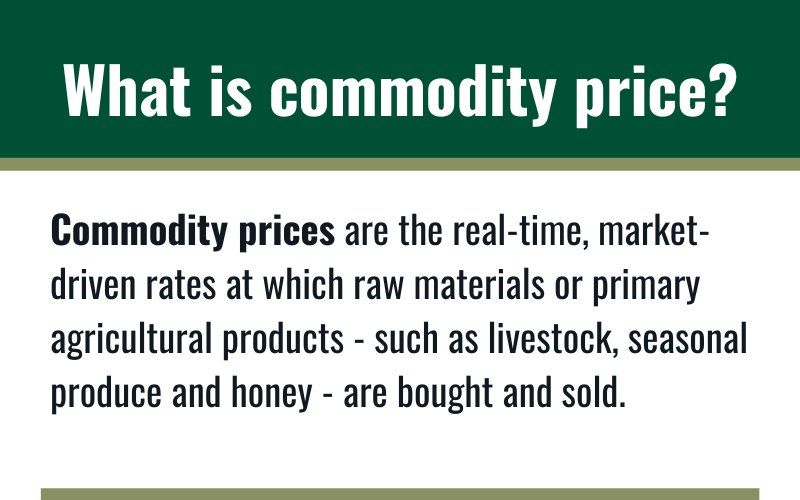
Many farms continue to rely heavily on income earned outside agriculture, a longstanding national trend. At the same time, participation in federal agricultural support programs declined sharply across every county, leaving many operations with fewer financial safeguards should commodity prices weaken or production costs continue to rise.
Input costs – including feed, labor and fuel – also increased during the period, squeezing profit margins even as gross sales climbed.
Land is growing harder to farm
Perhaps the most significant challenge today is the increasing value of farmland itself.
The average value of land and buildings rose dramatically throughout the region between agricultural censuses, creating substantial wealth for many existing landowners while simultaneously making it far more difficult for beginning farmers to purchase property. This challenge is especially remarkable around Charlotte, where development pressure continues to push agricultural land values upward.
National research projects North Carolina to lose more farmland to development by 2040 than every state except Texas, with Union and Iredell counties ranking among the nation’s most threatened counties for future farmland conversion.
As farmland becomes more valuable for housing than food production, agriculture increasingly depends on policies that influence land use, including zoning, conservation easements and growth management.
Who will farm next?
The report also highlights a demographic challenge that extends well beyond economics.
The average farm producer in the Charlotte region is now approximately 59 years old, with several counties exceeding that average. While the number of beginning farmers has increased nationally, relatively few young producers are positioned to replace the current generation of retiring farmers.
The obstacle is not simply interest; it’s access.
High land prices, limited financing opportunities and uncertain profitability make entering agriculture increasingly difficult for younger farmers. National surveys also suggest that relatively few existing farmers have formal succession plans, raising questions about what will happen to agricultural land as today’s producers retire.
Without successful transitions to a new generation, many farms could ultimately leave agricultural production altogether.
Diversity in farming is still a challenge
The analysis also shows modest changes in who is farming.
Women now serve as producers on more than half of farms in several counties, reflecting both changing farm management and improvements in how the Census of Agriculture measures farm decision-makers.
Racial and ethnic diversity, however, remains limited. Although Mecklenburg, Gaston and Anson counties have experienced growth among Hispanic producers, agricultural ownership across much of the region continues to reflect longstanding historical inequities in land ownership and access to capital.
High land prices compound those barriers for many prospective farmers.
The choices ahead
Despite these challenges, the report does not conclude that agriculture’s future is predetermined.
The Charlotte region still contains thousands of active farms and an extensive agricultural land base. Research points toward several strategies that could strengthen the region’s agricultural future, including protecting farmland through conservation programs and local land-use policies, supporting farm succession planning, improving access to affordable farmland for beginning farmers and strengthening regional food markets that provide alternatives to traditional commodity systems.
Ultimately, the transformation underway reflects a series of choices rather than an unavoidable outcome.
As the region continues to grow, decisions made by local governments, state policymakers, conservation organizations and landowners will determine whether agriculture remains a defining feature of the region – or gradually gives way to development.
The data tell a clear story: agriculture is adapting, but its future will depend on how the region chooses to balance growth with the long-term value of preserving the land that feeds it.
Note: This article is a summary of a longer research essay and analysis written by Kailas Venkitasubramanian and was summarized and edited by Asha Ellison with assistance from ChatGPT.