ENVIRONMENT

Experiencing Cities: Convenience and Carbon
One of the delights of an academic life is the opportunity to spend time in the summer traveling on research trips to foreign countries; there really is nothing like studious foreign travel to give useful perspectives on conditions here in America. This year I went home to England and traveled to several other European countries […]

Black-throated green warblers
I’ve traversed some rugged country in the Uwharries. My dad and I have bushwhacked through laurel thickets and scrambled up and down steep and slippery slopes to blaze trails and mark property lines. In general, though, our land is more accessible than isolated coves in the mountains or impenetrable swamps at the coast. And yet […]

500 Million Years To Create Such Gentleness
“They come from Tennessee in a covered wagon.” That was all I could get out of my grandfather…” So begins this essay by Ruth Ann Grissom, first published in 1998 in the newsletter of The LandTrust for Central NC. Guest contributor Ruth Ann Grissom is a freelance writer who splits her time between Atlanta and […]
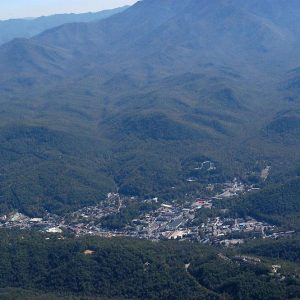
Nearly 570% Increase in Development in Western NC Mountains Since 1976
From 1976 to 2006, land development in the North Carolina mountains increased 568 percent – from 34,348 acres to 229,422 acres – and is expected to increase another 63 percent by 2030. Population, meanwhile, increased only 42 percent between 1976 and 2006 and is projected to increase only another 25 percent by 2030. The result? […]
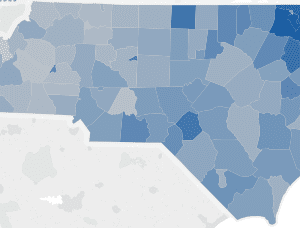
Mapping historical development patterns and forecasting urban growth in Western North Carolina
The Renaissance Computing Institute (RENCI) at UNC Charlotte expanded the urban growth mapping and forecasting into 19 counties in the Western part of North Carolina: Alleghany, Ashe, Avery, Buncombe, Cherokee, Clay, Graham, Haywood, Henderson, Jackson, Macon, Madison, Mitchell, Polk, Swain, Transylvania, Watauga, Wilkes, and Yancey Counties. The final report maps historical development patterns from 1976-2030 […]
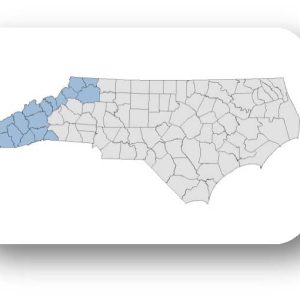
Urban Growth Mapping & Forecasting: 1976-2030, Western NC County Profiles
The Renaissance Computing Institute (RENCI) at UNC Charlotte expanded the urban growth mapping and forecasting into 19 counties in the Western part of North Carolina: Alleghany, Ashe, Avery, Buncombe, Cherokee, Clay, Graham, Haywood, Henderson, Jackson, Macon, Madison, Mitchell, Polk, Swain, Transylvania, Watauga, Wilkes, and Yancey Counties. The full research report is available in our web […]