Public Policy

It’s time for metro Charlotte to embrace a regional vision
Just a few hours before he would give the biggest speech of his career at the Democratic National Convention, Charlotte Mayor Anthony Foxx was using his expanding political capital to pitch a group of community and business leaders on the merits of political consolidation between the City of Charlotte and Mecklenburg County. His proposal to […]

Little-known fund conserves some treasured places
Where are you going this year for the Fourth of July? Hiking Western North Carolina’s Mount Mitchell, the highest peak east of the Mississippi? Camping in the Linville Gorge Wilderness Area of the Pisgah National Forest? Maybe you’ll spend the day trout fishing in the Great Smoky Mountain National Park, or drive the scenic Blue […]

Two secrets to city success: Trust and explore
Smart cities around the world use two secret weapons to form leadership and stay ahead of the pack in planning and economic development. One mechanism is internal, an informal, diverse but cohesive planning elite. Another is external, an outward-looking and systematic search for new knowledge, often by visiting other cities. I use “planning” in a […]
When cities, counties merge: Lessons for Charlotte?
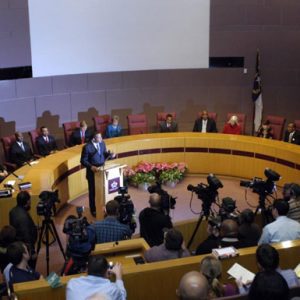
It is commonly expected that consolidating Charlotte and Mecklenburg County will result in less government fragmentation, fewer elected officials and lower the cost of service provision. It very well may, but citizens should know that nothing is guaranteed when it comes to city-county consolidation. And some of the commonly held beliefs about consolidation may not, […]

Assessing our learning curve 10 years after 9/11
Ten years after the events of 9/11, if we want to assess how well we have learned about the threat of terrorism we need to look back. But we also need to look at our world today, to see how well our learning curve compares with those planning and carrying out terrorist events. And we […]
Alcoa and the Yadkin River: What’s next?
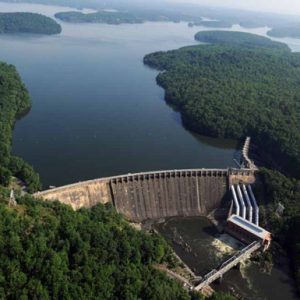
Last week, the Appellate Court for the District of Columbia ruled against Alcoa’s petition requesting that the Federal Energy Regulatory Commission (FERC) proceed with issuing the company a new license to continue operating its dams along the Yadkin River. This ruling was not the final determination concerning who will own and operate Alcoa’s dams and […]
Planning and Responding to Disasters: A Risky Proposition
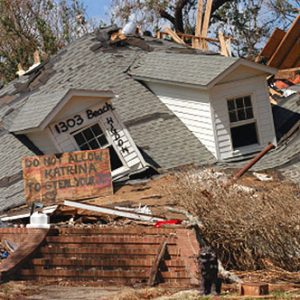
“Which is more likely to kill more Americans in the US in the next year, a nuclear meltdown similar to Chernobyl or a hurricane similar to Katrina?” (Please write down your answer, and then read on…) Catastrophes such as Hurricane Katrina, the 9/11 terrorist attacks, or the earthquake, tsunami and nuclear meltdowns in Japan draw […]
Will we ever learn from disasters?
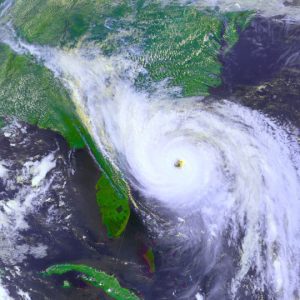
The March 11 earthquake and subsequent tsunami that devastated the northeast coastal area of Japan has highlighted the extreme vulnerability of man-made infrastructure to natural hazards. Despite tremendous advances in engineering and construction, disasters of this magnitude lead us to question whether or not we should build infrastructure robust enough to withstand such a devastating […]