Articles About Environment and Planning
This is the first part in a three-part series. Read Part 2: ‘We needed to do something bold’ and Part 3: ‘A 38-year overnight success story’ for the next parts of the story. Thirteen years later, Brownie Plaster is still bemused by the chorus of laughs that rose one May afternoon in 2006. At the […]
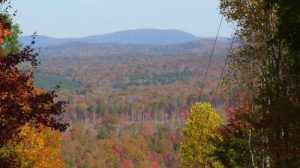
Thanks to a brutal early fall heat wave, much of September felt more like July. As a result, I have not spent as much time outside as I would have liked. Last Friday, however, I was able to break away and spend the morning at Morrow Mountain State Park. A friend and myself hiked the […]
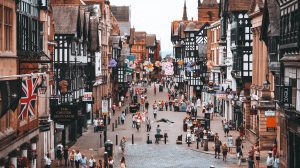
Charlotte has a reputation as a car city, but many of its leaders badly want to promote more biking, walking and transit use. That’s one reason an intriguing idea kept surfacing at this week’s City Council Transportation & Planning Committee meeting: Why not take all the cars off a major street in uptown or South […]
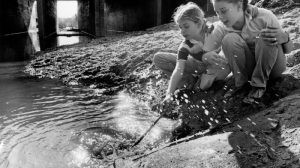
Think of an important waterway: You’re probably picturing a rushing river, a huge lake or a roaring waterfall. But what about the humble creek running through the woods near your house? That’s where most of our waterways start, and if those creeks aren’t healthy, our larger waterways won’t be healthy either. Creek Week is a […]
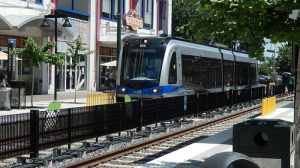
The Charlotte Area Transit System took another step towards expanding the region’s transit network this week, with recommendations for how to extend the Blue Line light rail about five miles through Pineville to Ballantyne. At the Metropolitan Transit Commission, staff presented their preferred routes, which would take the rail line across Carolina Place Mall along […]
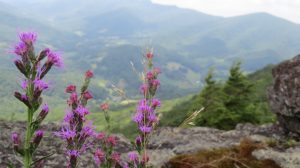
How do you protect a plant that grows only on rocky outcrops at high elevations in the Amphibolite Mountains of northwestern North Carolina? It takes a team.
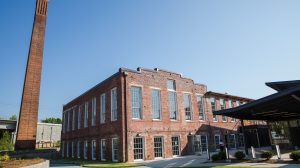
Breweries, apartments, hip food halls, creative offices, coworking spaces: Charlotte developers keep finding new uses for the city’s old mills. As a post-war, Sunbelt boomtown, Charlotte has garnered a reputation for tearing down its old buildings and replacing them with sterile plaques to make way for the city’s glittering new skyline. But while many once-grand […]
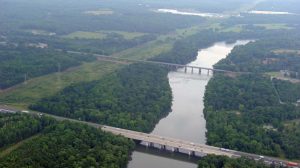
After visiting a city with a waterfront, maybe stopping for a drink and a bite to eat along whichever river or ocean it’s built along, I’m usually left with one overriding thought: “Wow, Charlotte could really use some of this.” Water plays a prominent role in the design and history of most cities, whether it be a river, bay or ocean. And Charlotte’s skyline and downtown sit tantalizingly close-but-yet-so-far from a major river and lake system. So, the question looms: Why isn’t Charlotte built on the water?
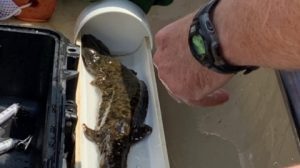
Hellbenders – a species of large salamander with an evocative name – can tell us something about the health of a river. Macroinvertebrates are good indicators of water health across the state. Insects, crustaceans, molluscs, and arachnids can all tolerate water quality in different degrees. Mayflies, caddisflies, stoneflies, hellgrammites are all highly sensitive to pollution. Their presence anywhere indicates good water quality. Dragonflies, damselflies, crayfish and clams are somewhat tolerant of pollution. Black fly larvae, lunged snails, and leeches are all pollution-tolerant.
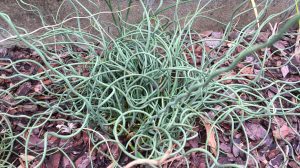
“I call rushes the final frontier,” says Paula Gross, former associate director of the UNC Charlotte Botanical Gardens. “That’s because I know so little about them myself!” A 19th century botanist described the genus as “obscure and uninviting,” she notes. As with so many other plants, my interest in rushes lies at the intersection of […]
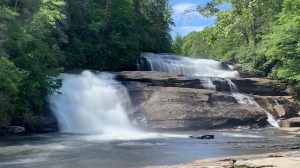
When you think of rare species, your mind might turn to majestic tigers, ferocious grizzly bears or majestic elephants. But how often do you think of bogs, sandbars and the slimy rocks coated in spray? A recent Natural Heritage Program Rare Plant and Natural Communities Workshop in Hendersonville highlighted theimportance of these unusual ecosystems for […]
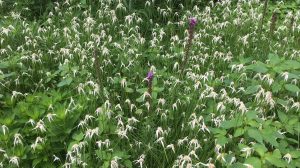
During a whirlwind visit to Fort Fisher this month, I sped by the historic bunkers and raced through the N.C. Aquarium. My husband and I were on foot, on a mission to catch the next ferry to Southport, but the sight of white-bracted sedge spilling from the humble ditches along Highway 421 stopped me in […]