City Walks-Janes Walks

Jane’s Walk: A weekend of discoveries
When we turned from Mayflower Road onto Hendren Avenue, it hit me. This Revolution Park neighborhood in west Charlotte was a dead ringer for the neighborhood in southeast Charlotte where I bought a tiny house when I first moved to town three decades ago. That neighborhood, Chantilly, built in the 1940s, has now gone upscale, […]

Raptor City
In the Uwharries, raptors make their presence known in late winter and early spring. A lone female northern harrier has spent the winter skimming our fields of native warm season grass. I’ve come to wonder if she’s the same one who shows up every fall, who chased away another pair of harriers who tried to […]
Charlotte trails nation in walkability rankings
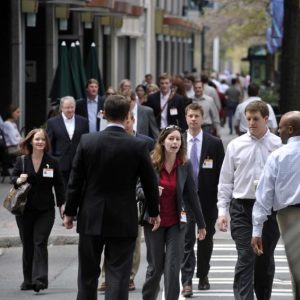
Want to guess the large U.S. city rated worst for walkability by Walk Score®, the national rating system? That would be the Queen City. Here’s a link to its 2014 report. The top-rated city was New York, followed by San Francisco, Boston, Washington and Miami. Essentially, Walk Score measure how many amenities are within easy […]
Show up to connect our future
If you’ve been paying any attention to national politics in recent weeks, you’ve surely heard remarks like: Why don’t politicians listen to the people? How can we get through to them? Why can’t government get anything done? But when people say “the government,” what government do they mean? It’s likely they’re thinking of the sclerotic […]

Will Americans continue to be suburban creatures?
Will Americans continue to be suburban creatures? The question has been widely debated by developers, planners and the press since the Great Recession. Surveys showing preferences for urban, walkable, in-town neighborhoods have been called fads by some, or hailed by others as the end of suburbia. Ultimately, it will be the attitudes of the Millennial […]
Two cities, two mills to be reborn
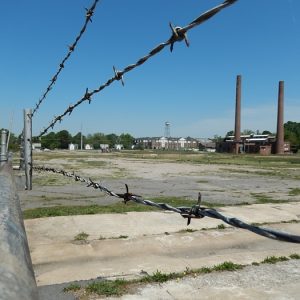
Mae Jones looks out her front door every day at the empty, massive Loray Mill, about a mile from downtown Gastonia, and remembers the rumble of machines, the acrid odors and her hard work there for 35 years. Once, it was the lifeline of the surrounding mill village, and Jones, 93, is thrilled by efforts […]
Is there a ‘right’ density? One expert says no
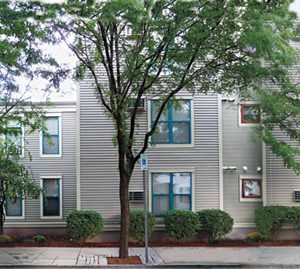
Julie Campoli’s new paperback, Made for Walking: Density and Neighborhood Form, is a must read for anyone in and around Charlotte who wants to know what it takes to make good neighborhoods into great ones. The book follows Campoli’s earlier Visualizing Density with photographer Alex S. MacLean; both were published by the Lincoln Institute of […]
South End eyes raising the bar for design
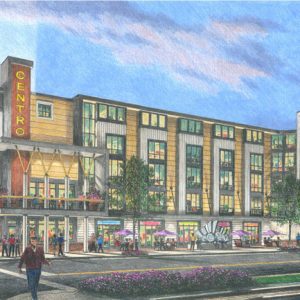
After hearing concerns about some of the new apartment construction in South End, the Charlotte Planning Department has hired a local urban design consultant to recommend possible changes to city zoning ordinances. With 11 South End multifamily projects under construction, Historic South End director Ted Boyd at a public presentation in January urged “raising the […]

Brightwalk, new community with green heart
Brightwalk is unique among Charlotte’s new developments. Part of that is size and location. It’s on 98 acres of redeveloped infill property along Statesville Avenue, about 2 miles from uptown. It will offer more than 1,000 single-family homes, townhomes and apartments – including senior housing and a day-care facility, all of it arranged around green […]
Charlotte quietly improves streets for cyclists
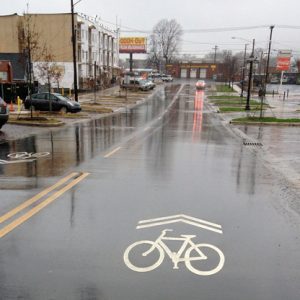
While cities such as Memphis have gained national attention for proclaiming a bicycle-friendly goal, Charlotte has been quietly taking a number of steps to improve its own streets for cyclists. Its bicycle sharing program, B-cycle, the first in North Carolina, has gotten a lot of publicity, but several other small scale improvements have begun, designed […]