Charlotte

See how many people in your neighborhood have taken the Census
The 2020 Census is crucial for making policy, assigning Congressional seats and divvying up resources for the decade to come, but it’s one of the many institutions facing a big challenge from the coronavirus. Census response forms were sent nationwide last week, inviting people to respond online. People who respond online, over the phone or […]
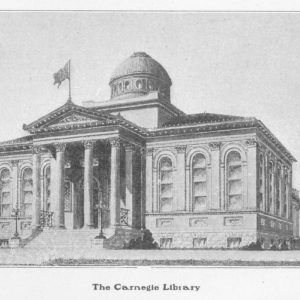
Charlotte’s library through the decades
Charlotte has had four main libraries on the same site since 1903. Here’s a look at them, and what the changing architecture says about our city.

How our changing landscape sustains us all
Ecosystems such as forests and wetlands provide clean air and water, food, building materials and recreational opportunities. The benefits people receive from nature are referred to as “ecosystem services.” Our interactions with ecosystems can have a positive impact, boosting our health and the economy. We can also have a negative impact on the health and […]

Farms and sprawl: Conservationists worry they’re losing the battle
About 45 minutes from Charlotte in neighboring Cabarrus County, the owners of 1,000-acre Porter Farms raise chickens and pigs on part of their land. The chickens are sold to Tysons Foods, and the pigs become sausage, pork chops and spare ribs for Smithfield Foods. Another part of the property is a cattle farm, and since […]

Community foundations demonstrate the importance of regional links
Can philanthropy foster greater regional connection? Yes, according to our research for the Carolinas Urban-Rural Connection project. But it’s not just the movement of money that matters, say local leaders: it’s the regional exchange of ideas about how to put that money to work that seems to make a difference. Community foundations, by definition, have […]
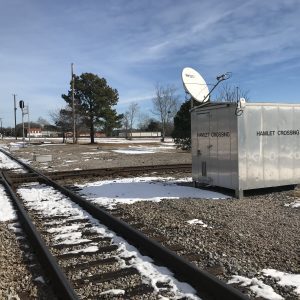
Trails, roads, rails and sky: The changing physical connections that knit our region together
A growing web of infrastructure and physical connections – both within the wider region and between the region and the outside world – has had a profound effect on where growth went, and where it stayed away from. People and industries in the Carolinas Urban-Rural Connection study area followed trading paths, railroads, highways and, now, air service.
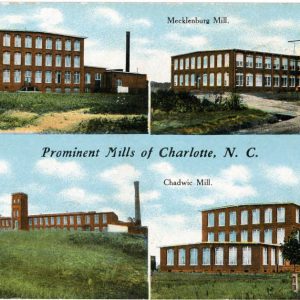
Historical Overview Part 2: Post-Civil War, the region becomes an industrial system
From an agrarian system to an economy based on rural mills and factories drawing workers from former farms and sending goods to Charlotte for distribution, the region undergoes rapid change.

The Carolinas Urban-Rural Connection: Strengthening ties to revitalize communities
[Read the full report here] It was a cold January day in 2018 when eight researchers from UNC Charlotte’s Urban Institute stepped out into the brisk air in Hamlet, a small town in Richmond County, N.C. A dusting of snow from a surprise storm the previous day still covered the railroad tracks adjacent to the […]
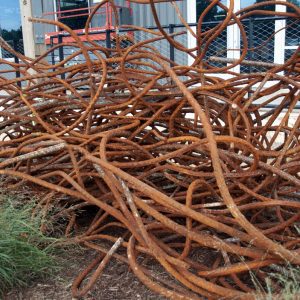
Why isn’t Charlotte built on the water?
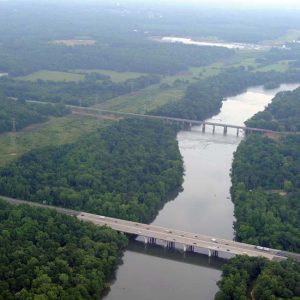
After visiting a city with a waterfront, maybe stopping for a drink and a bite to eat along whichever river or ocean it’s built along, I’m usually left with one overriding thought: “Wow, Charlotte could really use some of this.” Water plays a prominent role in the design and history of most cities, whether it be a river, bay or ocean. And Charlotte’s skyline and downtown sit tantalizingly close-but-yet-so-far from a major river and lake system. So, the question looms: Why isn’t Charlotte built on the water?