Mecklenburg
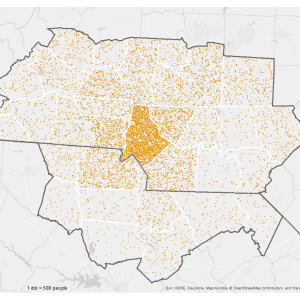
Population growth in the 32-county study area starting in 1850
Clayton Hanson & Laura Simmons | Aug 26, 2019 Click anywhere on the map below to pause and play. Each dot represents 500 people. The dots are distributed randomly within each county and are not intended to correspond to specific places, but instead to give a general sense of the number of people residing in […]
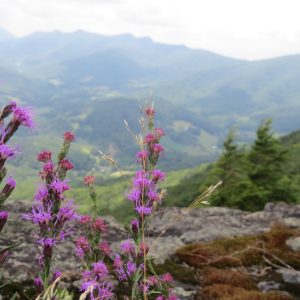
Preserving rare plants: In search of Heller’s blazing star
How do you protect a plant that grows only on rocky outcrops at high elevations in the Amphibolite Mountains of northwestern North Carolina? It takes a team.
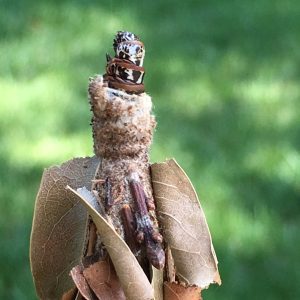
Finding the beauty in a bagworm
The overall cluster was about the size of my fist. A woven cylindrical core was decorated with willow oak leaves, some of them whole and others torn. They had been applied in an intriguingly symmetrical pattern, creating the effect of wings and a tail. Tiny twigs with swollen buds had also been incorporated into the design, their weight providing a ballast. The creature twirled and fluttered in the breeze, a sylvan ballerina.
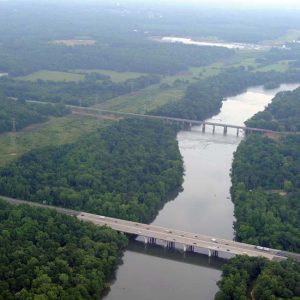
Why isn’t Charlotte built on the water?
After visiting a city with a waterfront, maybe stopping for a drink and a bite to eat along whichever river or ocean it’s built along, I’m usually left with one overriding thought: “Wow, Charlotte could really use some of this.” Water plays a prominent role in the design and history of most cities, whether it be a river, bay or ocean. And Charlotte’s skyline and downtown sit tantalizingly close-but-yet-so-far from a major river and lake system. So, the question looms: Why isn’t Charlotte built on the water?
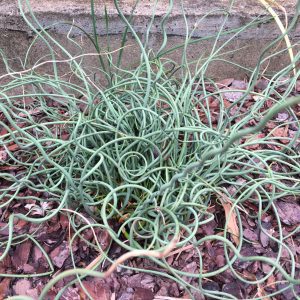
Rushes can restore some ecosystems – and beautify your backyard
“I call rushes the final frontier,” says Paula Gross, former associate director of the UNC Charlotte Botanical Gardens. “That’s because I know so little about them myself!” A 19th century botanist described the genus as “obscure and uninviting,” she notes. As with so many other plants, my interest in rushes lies at the intersection of […]
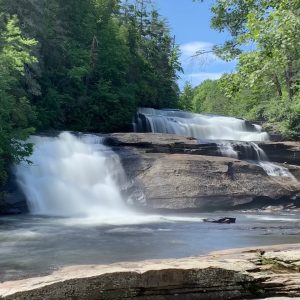
Rare plant communities abound in some unusual North Carolina spots
When you think of rare species, your mind might turn to majestic tigers, ferocious grizzly bears or majestic elephants. But how often do you think of bogs, sandbars and the slimy rocks coated in spray? A recent Natural Heritage Program Rare Plant and Natural Communities Workshop in Hendersonville highlighted theimportance of these unusual ecosystems for […]

Should Charlotte’s “brand” emerge organically or be something aspirational?
Common rush (Juncus effusus) is often used in riparian restoration projects. It provides cover for wildlife and helps stabilize soil and filter stormwater runoff, and it can be found throughout the Uwharries. Jim Matthews, professor emeritus at UNC Charlotte and founder of Habitat Assessment and Restoration Professionals, calls it the “Cadillac of wetland plants” because it can grow in standing water but also tolerate dry spells.

Putting the Urban in Suburban
Across Charlotte, developers are planning to add dense, mixed-use developments to parking lots at malls, shopping centers and office parks. See some of their plans, along with what’s there now.

Do youth end up in the justice system because they disengage from school?
Are youth who are disengaged from school more likely to enter the juvenile justice system – and does this vary for youth of different races and ethnicities? That was the question UNC Charlotte professor Dr. Susan McCarter set out to answer. Using data from the Institute for Social Capital, an integrated data system that’s part […]