Desegregation
A glimpse at Charlotte’s future from a piece of the past
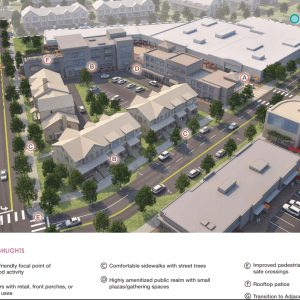
It probably wasn’t the setting Charlotte planners would have picked to unveil their vision for the future: A parking lot off Independence Boulevard, acres of scarred asphalt surrounded by a tangle of some of the city’s least pedestrian-friendly streets. But in the wake of the covid-19 pandemic, an in-person event at a densely packed brewery […]

Savings, investment and racial wealth gap over generations
This is the sixth article in an ongoing series, based on a report by the Urban Institute. The report was compiled with support from Bank of America, which partners with the UNC Charlotte Urban Institute and the Institute for Social Capital on research that provides insight into community initiatives. Join us Wednesday at 7:30 p.m. […]
Three ways to address affordable housing beyond subsidies
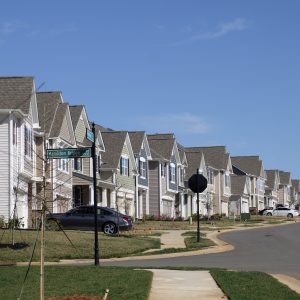
Charlotte is in the midst of a major affordable housing crunch, and though the city has substantially increased its subsidies for building leaders acknowledge there’s no way to fund the tens of thousands of units we’d need to meet demand. The city’s Housing Trust Fund bonds have been increased from $15 million to $50 million […]

Recreation as economic development: Lessons from two approaches
Rural communities around Charlotte are looking for new economic engines. Urban residents are looking for more outdoor recreation. That provides an opportunity for communities around Charlotte to use their public lands and waterways to fuel growth. And two areas in the region that were ahead of the curve offer lessons for other communities trying to […]

Do youth end up in the justice system because they disengage from school?
Are youth who are disengaged from school more likely to enter the juvenile justice system – and does this vary for youth of different races and ethnicities? That was the question UNC Charlotte professor Dr. Susan McCarter set out to answer. Using data from the Institute for Social Capital, an integrated data system that’s part […]

We know what doesn’t work. Why keep doing it?
Nationwide, schools of concentrated poverty have poor academic outcomes and limited educational opportunities.[1] Our local schools are no different.[2][3] Education reform is a priority across the political spectrum and throughout the community. But are we basing our reform efforts on accumulated evidence or simply on stories that tug on our emotions? The students pictured above […]
Census 2010: Mecklenburg patterns of residential segregation
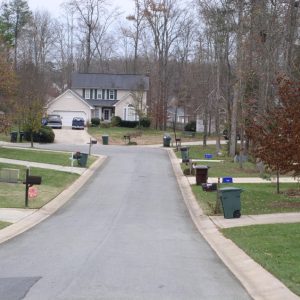
Controversies over school closures in Charlotte and Mecklenburg County over the past year have refocused public attention on issues of race in our community. While the explosive growth of the Hispanic population has been a more recent demographic trend, the issue of residential segregation among blacks and whites has a much longer history in this […]

Mapping de facto segregation in Charlotte-Mecklenburg Schools
After boasting one of the nation’s most successful mandatory busing plans to desegregate the district’s schools, Charlotte-Mecklenburg Schools (CMS) has once again become increasingly segregated. This shift has been documented meticulously through numerous recent studies and disseminated to the public through coverage in the local media. In partnership with Council for Children’s Rights, as part […]