Demographics

The highs and lows of high school graduation rates
Charlotte-Mecklenburg high schools have some of the region’s highest graduation rates. They also have some of the lowest. A look at recently released public high school graduation rates for North Carolina shows a wide disparity in Charlotte-Mecklenburg Schools. Yet CMS as a whole, compared to other systems in the region, has the lowest overall graduation […]
The highs and lows of high school graduation rates
Charlotte-Mecklenburg high schools have some of the region’s highest graduation rates. They also have some of the lowest. A look at recently released public high school graduation rates for North Carolina shows a wide disparity in Charlotte-Mecklenburg Schools. Yet CMS as a whole, compared to other systems in the region, has the lowest overall graduation […]

Gaston, onetime manufacturing heavyweight, now lags Union
Local perceptions may not have caught up with the new reality in the Charlotte region’s manufacturing economy. Even before the recession began in 2007, declines in the textile and furniture industries were changing the structure of local employment. As the downturn continued, counties that depended less on textile and furniture manufacturing lost fewer jobs. The […]

Charlotte region ages around a youthful core
In 1960, the median age for the United States was 29.5 years, meaning that half the population was older than that, and half was younger. In the 2010 Census, the median age for the country moved up to 37.2 years, reflecting what many demographers refer to as the “graying of America”. As with other changing […]
2010 Census Results: Population distribution and change in North Carolina
A summary presentation of population trends related to North Carolina. Based on Census 2010 preliminary (redistricting) data released in the spring of 2011. To see a PDF of the presentation: Download PDF Read the related article on this site.
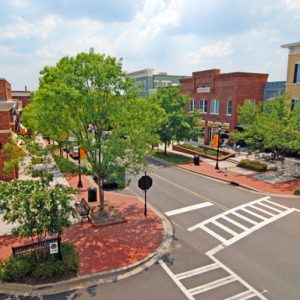
Census 2010: South Carolina Counties in the Charlotte Region
The recently released South Carolina data from US Census 2010 now allow for a more complete picture of growth in the Charlotte Region in the last decade. The South Carolina counties of Chester, Lancaster and York form the southern flank of the 14-county Charlotte Region. The census data show York County was the second-fastest growing […]

Smart Growth and the 2010 Census
The following commentary first appeared in the April 29, 2011 issue of the Charlotte Business Journal: Initial population data from the 2010 Census show that the Charlotte region maintained its status as one of the nation’s fastest growing metro areas. Charlotte grew to a population of 731,424 in 2010, an increase of 35.24% since 2000. […]

Geographers, doctors and community members
The needs assessment was in response to Charlotte-Mecklenburg’s emergence as what Roberto Suro and Audrey Singer of the Pew Hispanic Center and Brookings Institution termed a “Hispanic Hypergrowth Metro.” Between 1990 and 2000 Mecklenburg’s Hispanic population – as captured by the census – grew by more than 38,000 persons (from about 7,000 to 45,000). In […]

Census 2010: Mecklenburg patterns of residential segregation
Controversies over school closures in Charlotte and Mecklenburg County over the past year have refocused public attention on issues of race in our community. While the explosive growth of the Hispanic population has been a more recent demographic trend, the issue of residential segregation among blacks and whites has a much longer history in this […]
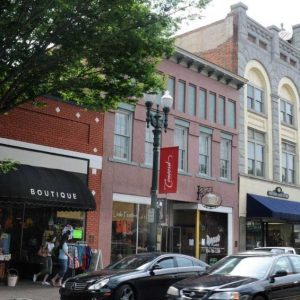
Census 2010: cities and towns in the Charlotte region
On Wednesday, March 2nd, the first set of data from the 2010 Census was released for North Carolina counties, cities, towns, etc., providing the first hard population counts for these areas since 2000. We know that the Charlotte region as a whole has grown rapidly in the last decade, but how has that growth been […]