Zoning

For better designed development, we’re going to need a better code
[highlightrule] Charlotte’s strong urban planning is torpedoed by weak urban design. To change that, the city needs a new type of zoning ordinance.[/highlightrule] Add together Charlotte’s apartment boom plus the reinvention of urban districts such as South End, Plaza-Central and NoDa, and you come up with a lot of questions. Residents complain about the neighborhoods’ […]
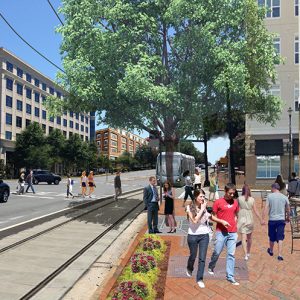
Six ways to turn SouthPark into a great urban neighborhood
Density alone does not equate to good urbanism. Density is a necessary ingredient, but raw density of jobs, housing or retail does not create a great street, much less a great place. Parts of downtown Atlanta are a classic example of this. Those tall towers empty at 5 p.m., creating an employment ghetto in the […]
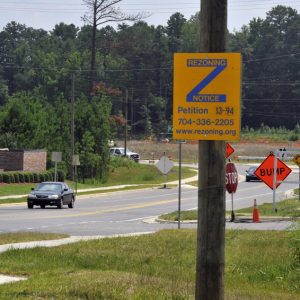
Protest petitions: Valuable or harmful? A pro/con package
A bill has passed the N.C. House that would do away with a decades-old provision for rezonings, the protest petition, which lets nearby property owners petition for a supermajority vote by a city council or town board on whether to approve the rezoning. In this pro/con package of opinion articles, Dilworth resident Jill Walker discusses […]
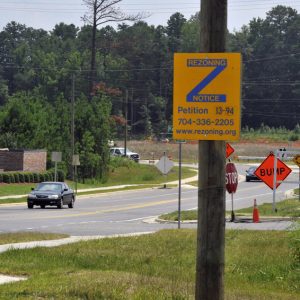
Don’t scrap protest petitions, a vital tool against harmful rezonings
It is exasperating that, once again, North Carolina homeowners face the prospect of losing the ability to file a protest petition in rezonings. The most recent effort – a bill that has passed the N.C. House – represents the third time in less than three years that our state has been threatened with the loss […]
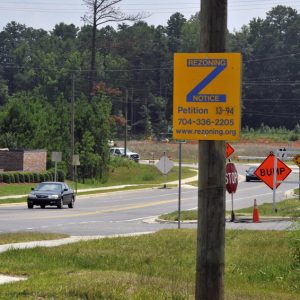
State should end protest petitions; they distort the public good
The N.C. House in March passed a bill to do away with the use of protest petitions in rezonings statewide, and neighborhood groups in Charlotte and other fast-growing communities fear they will lose their voice in shaping development. They are mistaken. The majority of rezonings in Charlotte do not generate valid protest petitions from neighboring […]
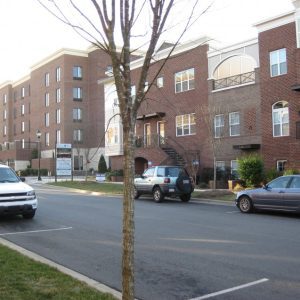
A new kind of zoning ordinance could help – or hurt – development
Since the first U.S. zoning laws in the early 20th century, one of their essential principles has been separating uses. Houses, stores, apartments and offices were kept apart from each other. One unintended consequence was more traffic, as people needed to drive from place to place. Another was that, as jobs and work changed, zoning […]
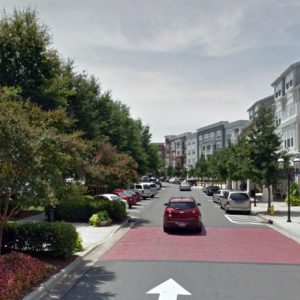
So, what exactly IS a form-based code and why should anyone care?
Since the invention of zoning codes early in the 20th century, they have focused on separating uses. Houses could not mingle with offices or stores or apartments, and offices could not mingle with shops or factories, no matter how small or unobtrusive the factory. Apartments over stores were banned. Buildings were required to be set […]