Social Well-Being
Savings, investment and racial wealth gap over generations
This is the sixth article in an ongoing series, based on a report by the Urban Institute. The report was compiled with support from Bank of America, which partners with the UNC Charlotte Urban Institute and the Institute for Social Capital on research that provides insight into community initiatives. Join us Wednesday at 7:30 p.m. […]

Post-coronavirus, everything will change in cities — or not
After COVID-19, cities will change forever. Here’s a sampling of predictions I’m seeing: People will avoid close physical encounters. Or maybe not. Maybe they’ll flock to crowded bars and restaurants after weeks of lockdown. Stores, bludgeoned by pandemic closings and high rents, will fail. So will smaller, non-chain restaurants. Cities will become blander and more […]
The racial wealth gap: Business ownership & entrepreneurship
We recognize the killings of George Floyd, Ahmaud Arbery and Breonna Taylor are connected to the same systemic and institutional racism that created and sustains the racial wealth gap. We recognize that addressing racial violence and the racial wealth gap is dependent on systemic and structural solutions rather than the individual solutions that have placed […]
Coronavirus resources: Data, maps and more
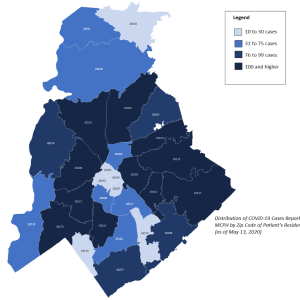
The coronavirus pandemic has generated a flood of data, maps and other resources to track the spread — and places to get help — throughout the region. Many of these resources are scattered across different websites and dashboards. Here’s a brief summary of what’s available, collected in one place. We will update this list as […]
Home ownership and the legacy of redlining: Charlotte’s racial wealth gap
This is the third in an ongoing series, based on a report by the Urban Institute. The report was compiled with support from Bank of America, which partners with the UNC Charlotte Urban Institute and the Institute for Social Capital on research that provides insight into community initiatives. Join us Wednesday at 7:30 p.m. on […]
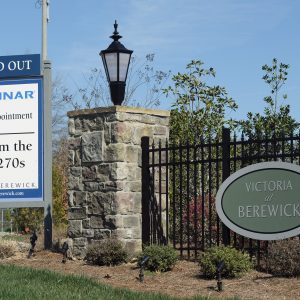
Home ownership and the legacy of redlining
This is the third in an ongoing series, based on a report by the Urban Institute. The report was compiled with support from Bank of America, which partners with the UNC Charlotte Urban Institute and the Institute for Social Capital on research that provides insight into community initiatives. Join us Wednesday at 7:30 p.m. on […]
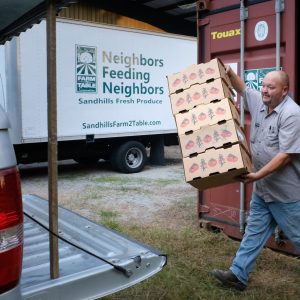
Pandemic highlights food chain workers’ precarious and essential positions
Throughout the coronavirus pandemic, news headlines have called attention to both “essential workers” in the food system, such as farmworkers and grocery store employees, and extensive job losses for food system workers, primarily in retail and restaurants. There are requests for contributions to virtual tip jars and for customers to buy gift cards from small […]
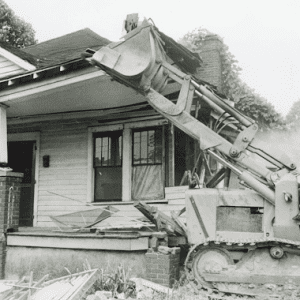
The historical roots of the racial wealth gap in Charlotte
This is the second in an ongoing series, based on a report by the Urban Institute. Read Part 1 here. The report was compiled with support from Bank of America, which partners with the UNC Charlotte Urban Institute and the Institute for Social Capital on research that provides insight into community initiatives. Join us each […]

COVID-19 highlights educational inequities
The novel coronavirus, better known as COVID-19, has changed the world as we know it. This holds true for the field of education, particularly K-12 schools in North Carolina and across the U.S. COVID-19 has exposed glaring educational inequities that were present before the pandemic, and, in many ways, have been amplified during this crisis. […]

COVID-19 exposes the impact of the racial wealth gap
This is the first in an ongoing series, based on a report by the Urban Institute. Read Part 2 here. The report was compiled with support from Bank of America, which partners with the Charlotte Urban Institute and the Charlotte Regional Data Trust on research that provides insight into community initiatives. By James E. Ford, […]