Understanding the news and information landscape in Charlotte’s Historic West End
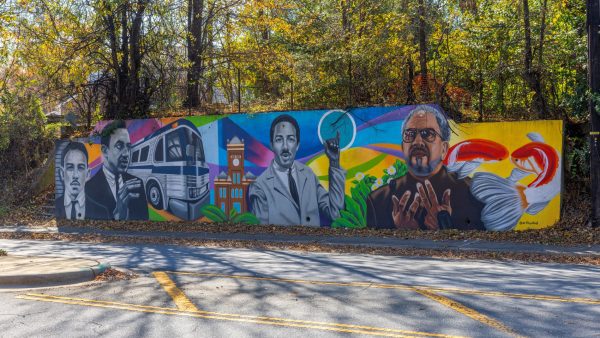
By Angelique Gaines and Asha Ellison
Preferred news and information sources vary by geographic location. How people access news and information–and who they trust to relay it–are important to establishing a healthy and informed community. But how do we ensure that communities and the people who live within them are engaged with the news and information that matters most to them? And how do we ensure that news is credible?
The changing news and information landscape
During the COVID-19 pandemic in 2020, the World Health Organization warned of a global “infodemic.” This term describes the rapid spread of misinformation – false, misleading, or inaccurate information shared by people who believe it to be true – across social media and other platforms. This widespread confusion created serious challenges for public health and well-being. Misinformation differs from disinformation, which is intentionally false information shared to mislead others.
Today, the rapid growth of artificial intelligence (AI) is adding new complexity to how information spreads. According to a 2025 Gallup and Telescope study, nearly all Americans use some form of AI technology, and 64% (from a representative sample of 4,000 respondents) don’t realize they are using it. As AI becomes more common in both workplaces and everyday life, misinformation and disinformation can spread faster and reach communities more easily.
For people to access accurate and trustworthy news and information about events happening in their neighborhoods, as well as the programs and opportunities beneficial to their lives and more, their news and information ecosystem – or the network of local journalists, community organizations, institutions and information sources they rely on – must be strong and reliable. Understanding the local news and information landscape should reflect the perspectives and experiences of the people who live in those communities.
The Historic West End/Beatties Ford Road Corridor Study
In 2023, Knight Foundation partnered with the UNC Charlotte Urban Institute to better understand the local news and information landscape in the Historic West End/Beatties Ford Road corridor. To understand the experiences of those who live or own a business in the area, the research team administered a survey, conducted interviews, and engaged a community advisory group composed of Historic West End residents and community leaders to inform research activities.
“Access to trusted news and information is essential for communities to thrive. When residents have access to reliable information about their neighborhoods, they are better able to stay connected, engaged and involved in shaping their community’s future,” said Charles Thomas, the Knight Foundation’s Charlotte director for community and national initiatives. “This study gives us important insight into how residents in the Historic West End access and trust information so we can strengthen the networks that support civic life in the corridor.”
According to Impact Architects, “communities require accurate, fact based, equitably produced, and accessible local news and information in order to thrive, both at the individual and collective levels.”
What we found
The study of local news and information revealed:
- There are a variety of sources that people use for local news and information in the Historic West End, including media institutions, community institutions and personal information networks.
- Variety alone does not meet the community’s needs. Only 28% of survey participants stated the sources available to them give them all the information that matters to them. The local news and information ecosystem also requires deep engagement between the information providers and the community so that critical information needs and priorities are understood and can be met.
- Trust allows information to flow more easily. Community members often rely on a trusted source for local news and information or verify news and information that they receive with a trusted network.
Read more here to learn about the findings of the study, as well as the Institute’s recommendations for improving the local news and information ecosystem to better meet the needs of the area’s residents and businesses.