Articles About Transportation
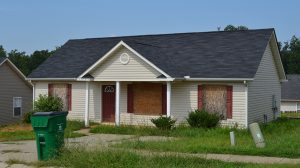
In Charlotte, one neighborhood more than any other came to represent the housing crisis. Built between 2002 and 2004, the Windy Ridge neighborhood of 133 small, single-family homes fell victim. By 2008, 60 percent of the neighborhood’s homes were in foreclosure. Crime rates rose, property values plummeted and the homeowners association couldn’t afford to keep […]

A recent Supreme Court decision has some trail advocates worried about the fate of the national rails-to-trails program, but the ruling is unlikely to affect North Carolina. The case, Brandt Revocable Trust v. United States, has to do with who retains the property rights to abandoned railroad right of ways. The national Rails-to-Trails Conservancy and […]
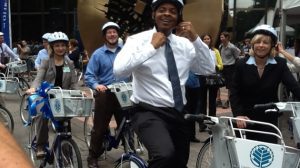
U.S. Secretary of Transportation and former Charlotte mayor Anthony Foxx gave urbanists and bike enthusiasts hope this week with his remarks at the Transportation Research Board, Streetsblog D.C. writer Tanya Snyder reports. Foxx, referencing increasing pedestrian and bicyclist injuries and deaths on Charlotte streets during his time as mayor, said he would “look out for […]
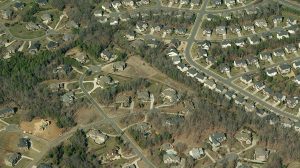
A North Carolina Department of Transportation letter has planners and officials in several Union County towns scrambling to figure out how they’ll maintain new subdivision streets in what has long been one of the fastest growing counties in the state. The September letter from Division 10 engineer Louis Mitchell said NCDOT would no longer accept […]
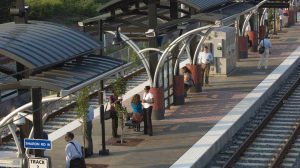
An expert in planning neighborhoods for walkability will speak Thursday at the UNC Charlotte uptown campus. Julie Campoli, author of Made for Walking: Neighborhood Density and Urban Form, gives a presentation at a 5:30 p.m. event that will also see the launch a new regional group focused on transportation choices, the Transportation Choices Alliance. The […]

It’s a quirky fact about all three of the most recent directors of the UNC Charlotte Urban Institute: We all came, not from large urban centers, but from small, rural communities. Jim Clay, director from 1979 to 1984, was from Crum, W.Va. Bill McCoy (director 1985-2001) hailed from Ekron, Ky. And me? My friends are […]
Want to guess the large U.S. city rated worst for walkability by Walk Score®, the national rating system? That would be the Queen City. Here’s a link to its 2014 report. The top-rated city was New York, followed by San Francisco, Boston, Washington and Miami. Essentially, Walk Score measure how many amenities are within easy […]

Jody Pressley, project leader for the Transportation Information Management System, is featured in the November issue of School Bus Fleet magazine as one of “14 Phenomenal Women in School Transportation.” TIMS is a collaboration among the UNC Charlotte Urban Institute, where Pressley works, the N.C. Department of Public Instruction and the Institute for Transportation Research […]
A key city advisory committee Monday deferred a recommendation on a proposed rezoning to allow for an auto mall near a proposed light rail station in University City. The deferral by the Zoning Committee of the Charlotte-Mecklenburg Planning Commission until its Oct. 30 meeting means the decision on the proposal will fall to a newly […]
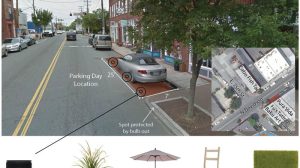
One lucky parking spot in NoDa gets to become a park for eight hours this Friday. From 1 p.m. to 9 p.m. volunteers will transform a space on North Davidson Street into a place for many people, instead of a place for one car. In doing so, they’ll make sure Charlotte once again joins an […]

A University City-area rezoning petition quietly winding toward a public hearing Monday raises serious questions about whether the city can stand behind its plans for transit-friendly development along the proposed Blue Line Extension light rail line. The case also highlights this fact: Today, almost all the properties in the station areas north of the NoDa […]
Any day now, I figure the term “inner city” will go the way of “carbon paper” and “adding machine.” Already, it has a sort of disco, big-hair-and-shoulder-pads aura – a relic of a time when to many Americans the heart of the city was a place of poverty, crime and social dysfunction. Compare that image […]