ECONOMY

In 2013, can region apply lessons from past 5 years?
2013 may be a year historians look back on as the time local leaders hit the “reset” button on issues that had been at the forefront of public policy discussions before the 2008 economic meltdown. Will leaders revisit these issues following the same assumptions and conventional strategies as before? Or will lessons learned in the […]

Charlotte’s economic recovery struggles to take hold
Charlotte has lagged much of the country in this period of economic recovery, but the region has finally begun to see a few small signs of better days on the horizon. Over the past several months, there has been gradual improvement in the unemployment rate and home price index in the region. These bright spots […]

Got milk? Got land? N.C. farms dwindle
Many people are surprised to learn that agriculture is the No. 1 industry in the state. However, North Carolina is losing farmland faster than any other state – and the number of dairy farms is down dramatically. Agriculture is estimated to be worth more than $70 billion annually to North Carolina’s economy. Agriculture and agribusiness […]

A Charlotte primer: A city that thinks big
Welcome, Democrats! You have received loads of material on restaurants, sights and the strange habits of the locals. Here is a primer quick enough for you to digest while you spoon through your breakfast grits. First and most important, Charlotte is not some other city. It is not by the sea (that’s Charleston), it does […]
Business leaders’ confidence dips but still positive
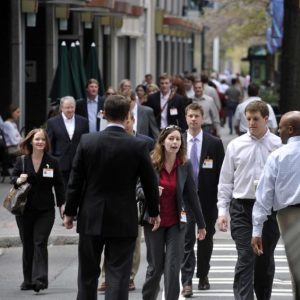
The third quarter 2012 Charlotte Business Confidence Index report, released July 2, shows Mecklenburg County business leaders’ optimism about economic prospects declined compared to their expectations for the second quarter of 2012. The overall index value of 55.4, a decrease of 3.4 points compared to the second quarter, remains positive on business confidence overall, with […]
Goodwill sponsors new online resource
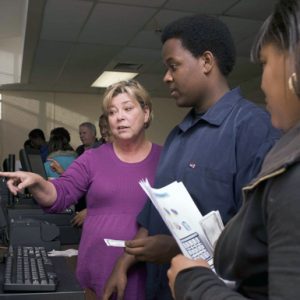
In this period of high unemployment, not everyone has suffered equally. Two populations of particular concern are veterans and youth. Goodwill Industries of the Southern Piedmont provides services to both of these populations and is a lifeline for some of the most vulnerable populations in the Charlotte region. The agency is continuing its innovation and […]

Local business leaders’ positive outlook continues
The second quarter 2012 Charlotte Business Confidence Index report, released April 2, shows Mecklenburg County business leaders’ optimism about economic prospects in the second quarter improved compared to their expectations for the first quarter 2012. The overall index value of 58.8, an increase of 4.2 points compared to the first quarter, continues an upswing of […]

Two secrets to city success: Trust and explore
Smart cities around the world use two secret weapons to form leadership and stay ahead of the pack in planning and economic development. One mechanism is internal, an informal, diverse but cohesive planning elite. Another is external, an outward-looking and systematic search for new knowledge, often by visiting other cities. I use “planning” in a […]
Boosters: Downtrodden downtowns can thrive
Around the Charlotte region, many downtowns share similar histories: A long-ago heyday followed by decay as dollars and foot traffic flowed to suburban malls and interstate eateries. A growing list of those places, however, are fighting back, seeking to revive their economies and preserve their histories by joining North Carolina’s Main Street and Small Town […]

Institute connects with center city
The UNC Charlotte Urban Institute now has office space in the university’s Center City Building. Although the institute will continue to be headquartered on the main campus, several staff members and institute Director Jeff Michael are now regularly spending some time each week in the uptown facility. The Center City Building offers the institute new […]