Social Well-Being

Much to admire in plan, but it missed an opportunity
Just for fun, before watching Monday night’s Charlotte City Council hearing on the newest plan for downtown Charlotte, I hauled out my yellowing copy of the 1966 Odell Plan. (See original drawings from the plan here.) It’s both fun and humbling to see how stunningly wrong that plan was about so much. Then I thumbed […]
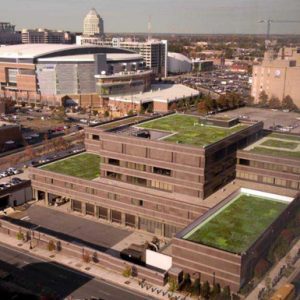
Failure of nerve: Bolder vision needed for an uncertain future
Charlotte’s draft 2020 Vision Plan is a disappointing document. Despite the hard work, the glossy graphics are mostly pretty pictures of conventional thinking rather than visions for a different future. A plan promoted as visionary should acknowledge that urgent environmental and economic forces demand challenging changes to the status quo, and then propose far-reaching and […]

Mecklenburg County Community Food Assessment 2010, Phase 2
In 2010, a UNC Charlotte research team led by Dr. Elizabeth Racine conducted a Mecklenburg County Community Food Assessment for the Charlotte Mecklenburg Food Policy Council. The results of Phase 1 of that study (posted on this website in September 2010) looked at the presence or absence of food stores in Mecklenburg’s Census Block Groups […]
United Way of Central Carolinas Needs Assessment 2011 – Full Report
In June 2010, United Way of Central Carolinas commissioned the UNC Charlotte Urban Institute to conduct a comprehensive community needs assessment for its five-county service area. The primary purpose of the study was to pinpoint the community’s greatest needs and identify gaps in the current array of human services. This study is one of several […]
United Way of Central Carolinas Releases Needs Assessment Full Report
Since the completion of the report in May, UWCC and the UNC Charlotte Urban Institute have held several meetings to inform the greater community about the findings and recommendations from the study. Presentations were made to top CEOs in Mecklenburg County, the United Way Board of Directors, and the Charlotte Mecklenburg Community Cabinet. Additional presentations […]

School Readiness Plan
The Larry King Center (LKC) of the Council for Children’s Rights recently released a plan for improving school readiness for the children in Mecklenburg County. “Unlocking the Potential of a Community: The Plan for School Readiness” is based on data, research, and input from six action teams comprised of community leaders, agency directors, and parents […]
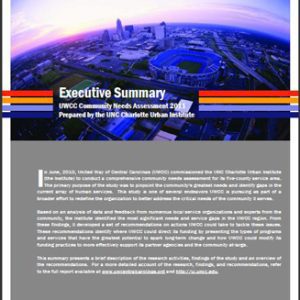
United Way of Central Carolinas Needs Assessment 2011 – Executive Summary
In June 2010, United Way of Central Carolinas commissioned the UNC Charlotte Urban Institute to conduct a comprehensive community needs assessment for its five-county service area. The primary purpose of the study was to pinpoint the community’s greatest needs and identify gaps in the current array of human services. This study is one of several […]
Charlotte region ages around a youthful core
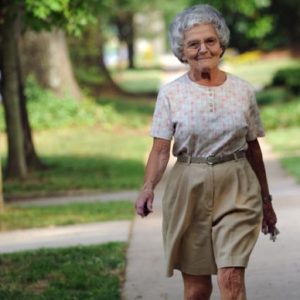
In 1960, the median age for the United States was 29.5 years, meaning that half the population was older than that, and half was younger. In the 2010 Census, the median age for the country moved up to 37.2 years, reflecting what many demographers refer to as the “graying of America”. As with other changing […]
Historic Salisbury
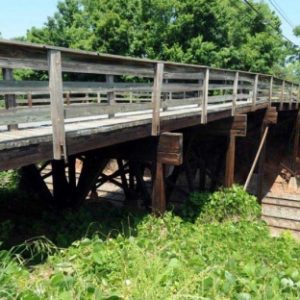
The City of Salisbury has had great success as a community in preserving its past. These photos highlight some examples of the many treasures in its commercial center and historic neighborhoods. Read related article on this site. Photographs by Nancy Pierce
Vernacular Architecture in the Uwharries
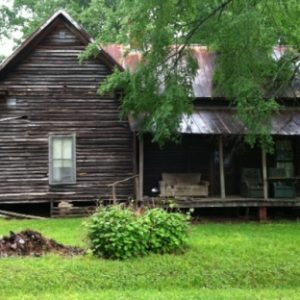
“Frank Lloyd Wright described vernacular architecture as ‘folk building growing in response to actual needs, fitted into environment…’ Early settlers to the Piedmont – English, Scots-Irish, and German – arrived with traditional European building styles in mind, but they quickly adapted them to our local conditions. As such, the old farmhouses in the Uwharries became […]