Past Work
Since 1969, the UNC Charlotte Urban Institute has helped the Charlotte region and the Carolinas better understand the policy issues shaping our communities. Through research, data analysis, storytelling and community engagement, the institute has worked alongside public agencies, nonprofit organizations, philanthropic partners, faculty and residents to examine complex regional challenges and identify opportunities for informed action.
This collection highlights past projects that reflect the breadth of that work, from housing and economic mobility to environmental issues, social capital, community partnerships and regional change. Together, these efforts show how the institute has used research and collaboration to support decision-making, elevate community knowledge and document the issues affecting quality of life across the region.

Women & Girls Research Alliance
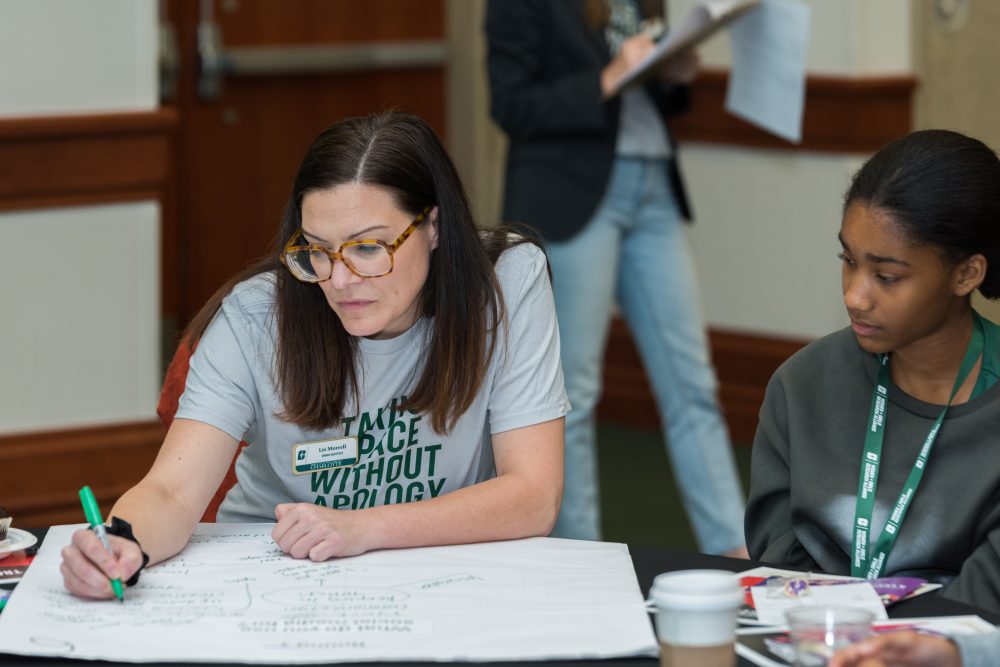
From 2020 to 2024, the Charlotte Urban Institute partnered with the Alliance as a collaborator in data and research. In this role, the Institute led study design, data collection and analysis to better understand the challenges and opportunities facing women and girls across the Charlotte region. This work included supporting the Alliance’s biannual Leadership Café, where community input was translated into evidence-based findings and annual reports highlighting key quality-of-life issues.
Housing First Charlotte-Mecklenburg
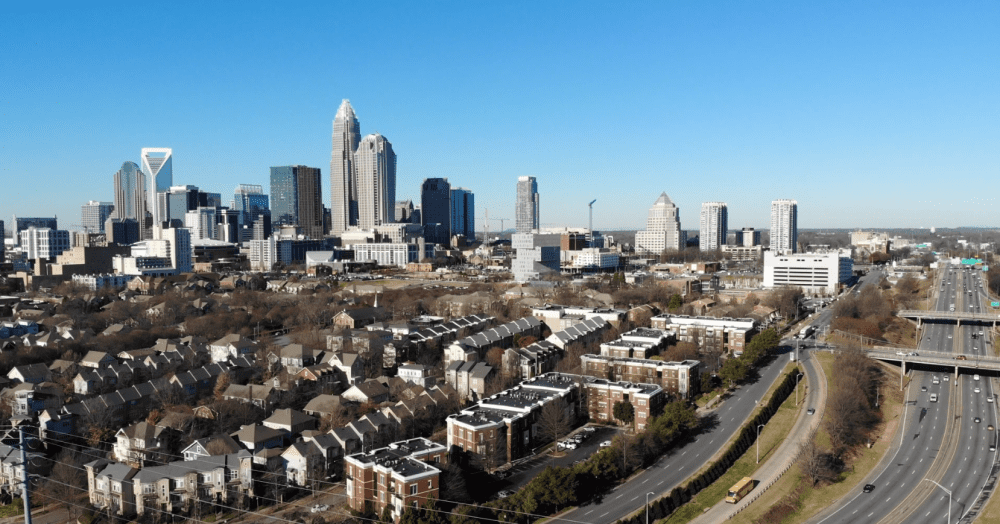
From 2015-2020, the institute helped implement and evaluate the success of Mecklenburg County’s new housing first program, with the goal of ending homelessness in our community.
Read the details and find the full report online.
The Carolinas Urban-Rural Connection
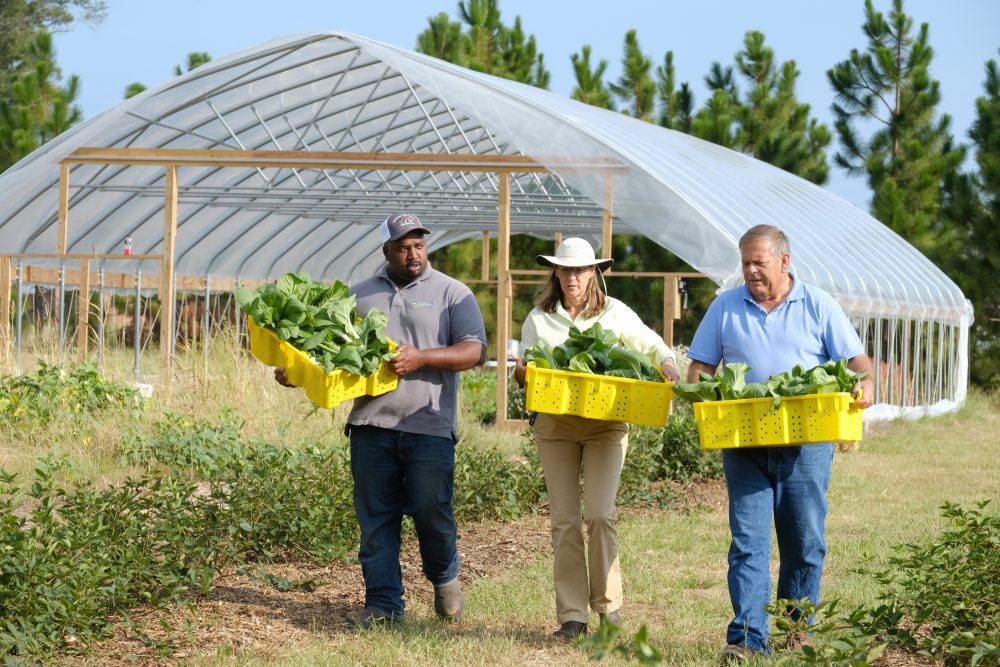
The Duke Endowment’s Rural Church program awarded the Urban Institute a two-year grant for a research and community engagement-based project intended to bring greater understanding to the economic and social interdependence that shaped regional growth in the central Carolinas over the past century, as well as the state of intraregional connections today.
Future Charlotte: The Podcast
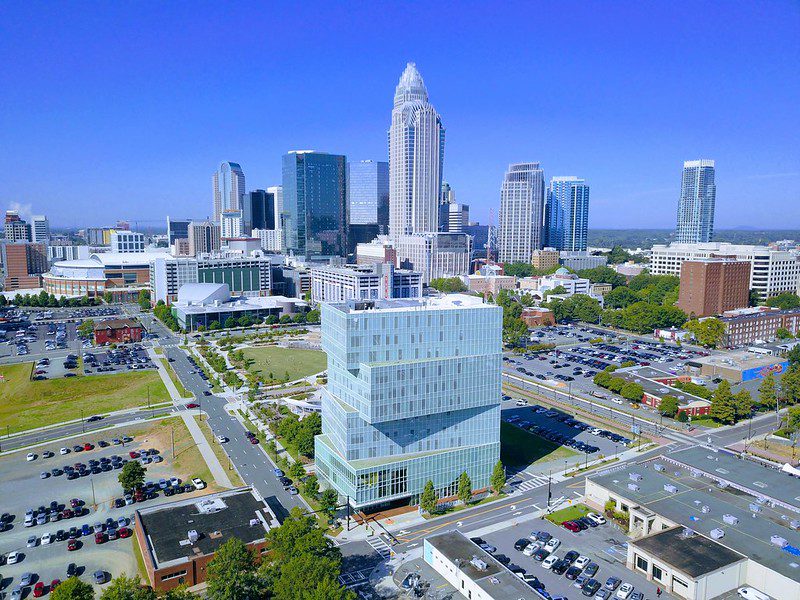
How will we grow? How is our community changing? What challenges do we face, and how can we meet them? Future Charlotte examined these questions by talking to the decision-makers, policy experts and community members guiding our growth and change. Each episode featured one or more guests focused on a specific theme, and is approximately 30 minutes.
You can also find all episodes on our site here.
THE MARIANNE M. AND NORMAN W. SCHUL FORUM SERIES
In 2019, the institute launched the first annual Marianne M. and Norman W. Schul Forum Series to serve as an annual event focused on policy issues affecting the Charlotte region, convening local leaders, national experts and researchers from the institute and other parts of UNC Charlotte. The institute’s first director, Dr. Norm Schul, and his wife, Marianne ‘73, enabled the creation of the series with a generous endowment gift in 2018 to honor the institute’s 50th anniversary.
The Racial Wealth Gap
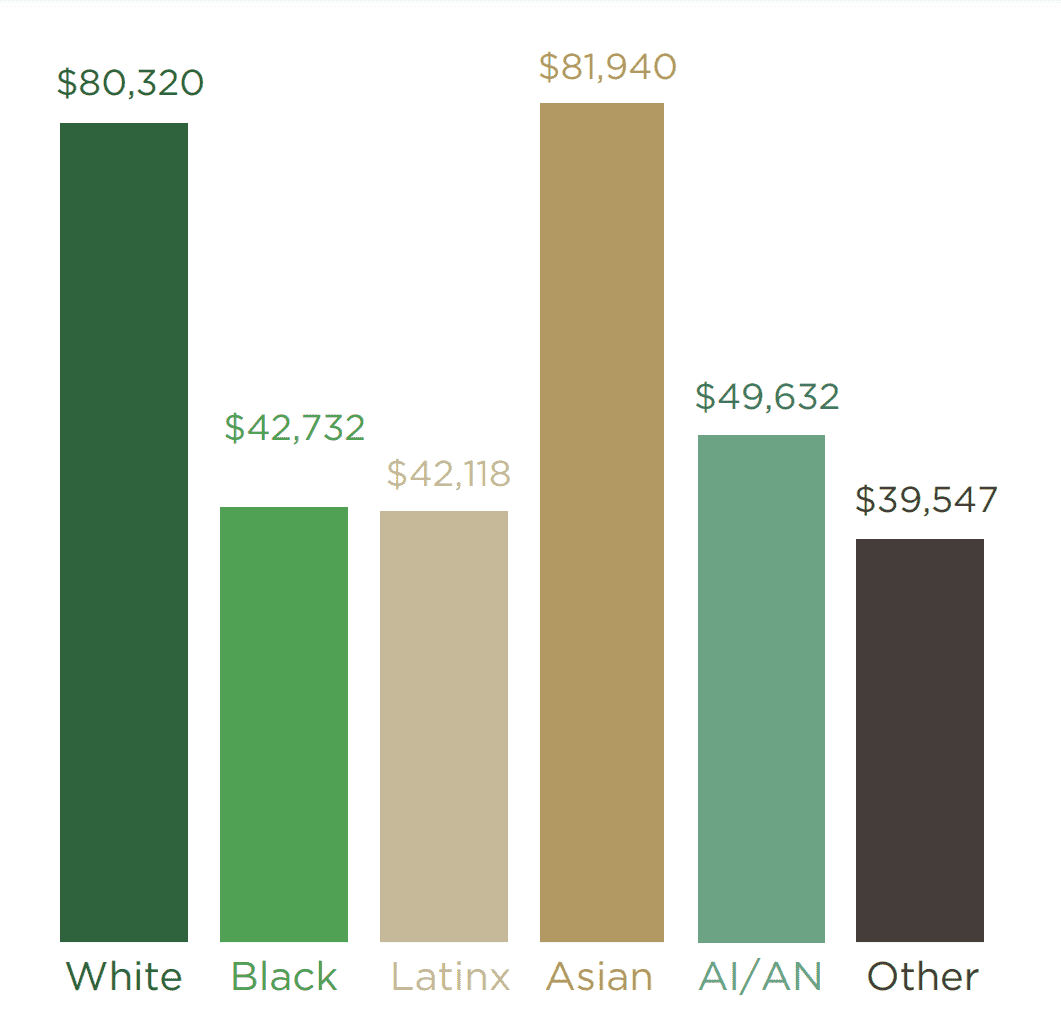
In partnership with Bank of America, the institute produced a report and a seven-part web series on the racial wealth gap in Charlotte-Mecklenburg, as well as what factors have created and sustained this gap for so long.
Social Capital in Mecklenburg County
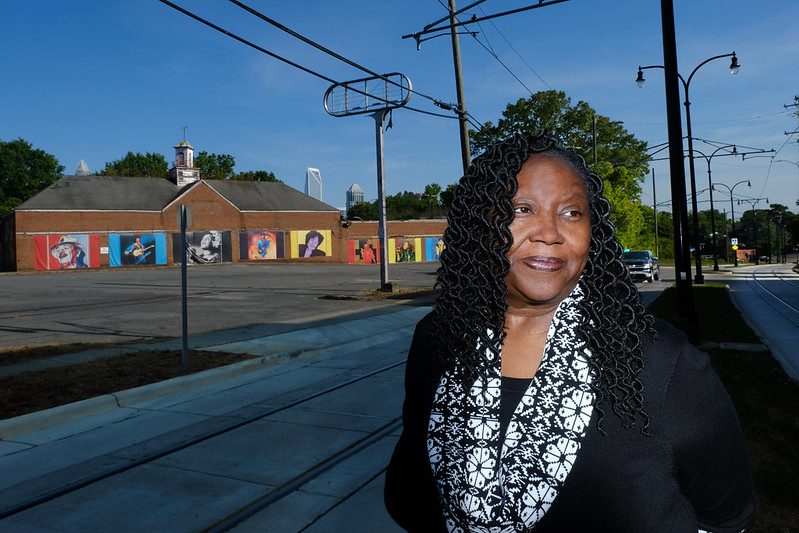
Social capital refers to refers to the material resources or non-material benefits arising from our social relationships and networks. In 2019, the UNC Charlotte Urban Institute partnered with Leading on Opportunity, Opportunity Insights, Foundation for the Carolinas, Communities in Schools, the YMCA of Greater Charlotte, and SHARE Charlotte, with additional funding from The Gambrell Foundation, to conduct a new baseline measurement of social capital in Mecklenburg County.
Keeping Watch
Organized in 2013 by the UNC Charlotte College of Arts + Architecture and UNC Charlotte Urban Institute with Lambla artWORKS, Keeping Watch was a multi-year initiative designed to foster collaboration across disciplines and interest groups to engage the public in local environmental issues. Through the work of artists, writers, environmental experts and scientists, Keeping Watch connected community partners and projects to raise awareness and inspire action around four concerns: plastic waste and recycling (2014), water quality and urban streams (2015), air quality and tree canopy (2016) and wildlife habitat in the urban ecosystem (2017).
Visit KeepingWatch.org to learn more and see archived content.