Community-Engaged Research and Learning
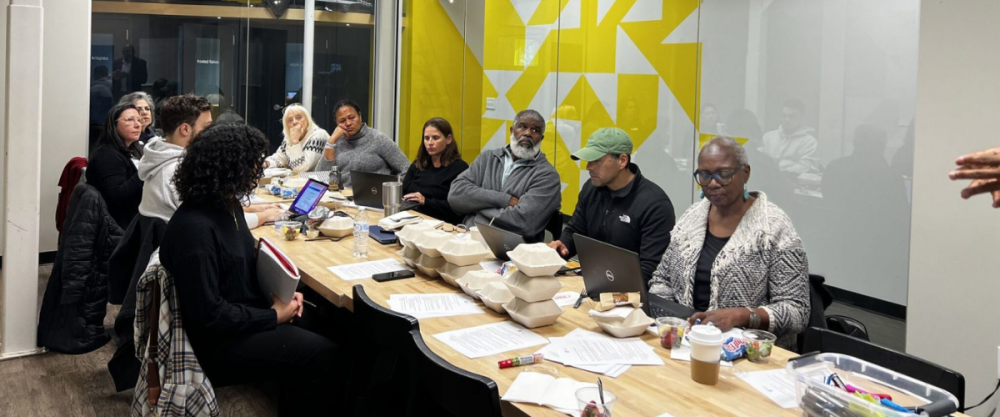

The Community-Engaged Research and Learning team aims to address community challenges by connecting faculty support, student learning and community expertise. Each program fosters collaboration that drives meaningful impact and strengthens our region’s future.
Faculty And Staff Engagement Opportunities
Get involved with initiatives designed to support your work, grow partnerships and drive meaningful community impact. Whether you’re just getting started or already embedded in community engagement, these programs offer pathways to action.
CORE Series
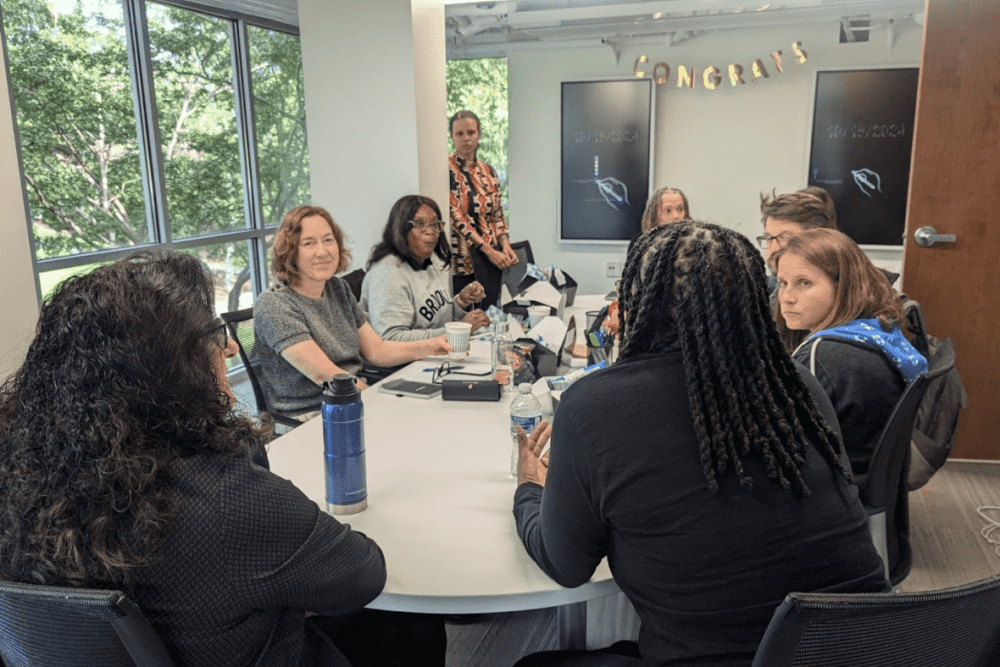
Through workshops, information sessions and guided conversations, the CORE series brings together faculty, staff and community-facing practitioners to explore what meaningful partnership looks like in practice. Each session offers space to learn from experienced engaged scholars and build the skills needed to develop projects with and for community partners.
Writing Support
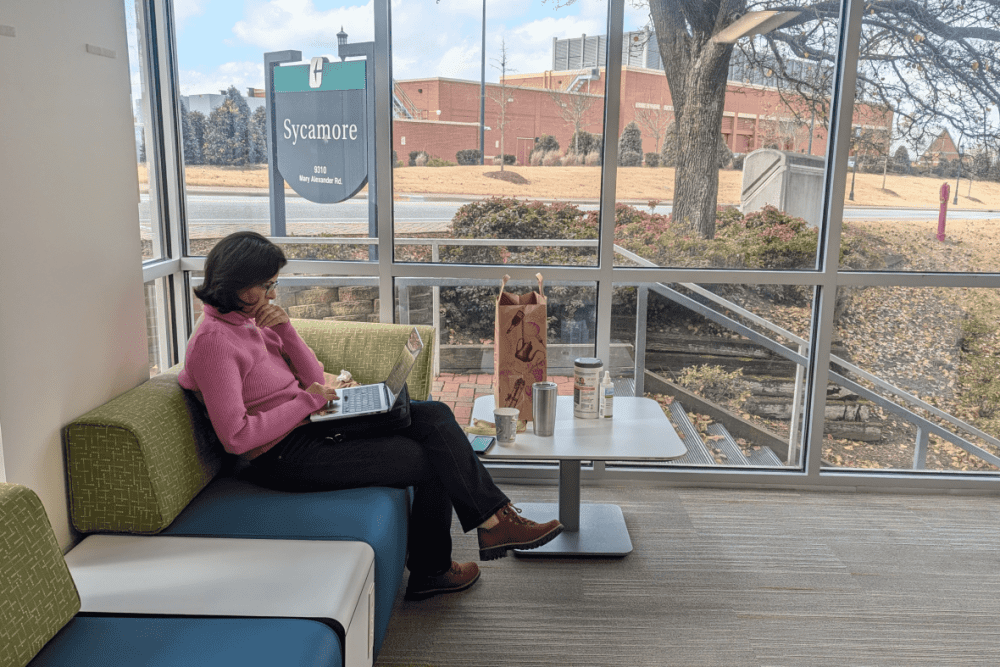
In partnership with the Writing Resources Center, three annual writing retreats are offered for faculty and staff. For each retreat, we provide a supportive space to write in community, share strategies for sustainable writing practices, and apply evidence-based research to help academics grow as writers.
Reappointment, Promotion and Tenure Support
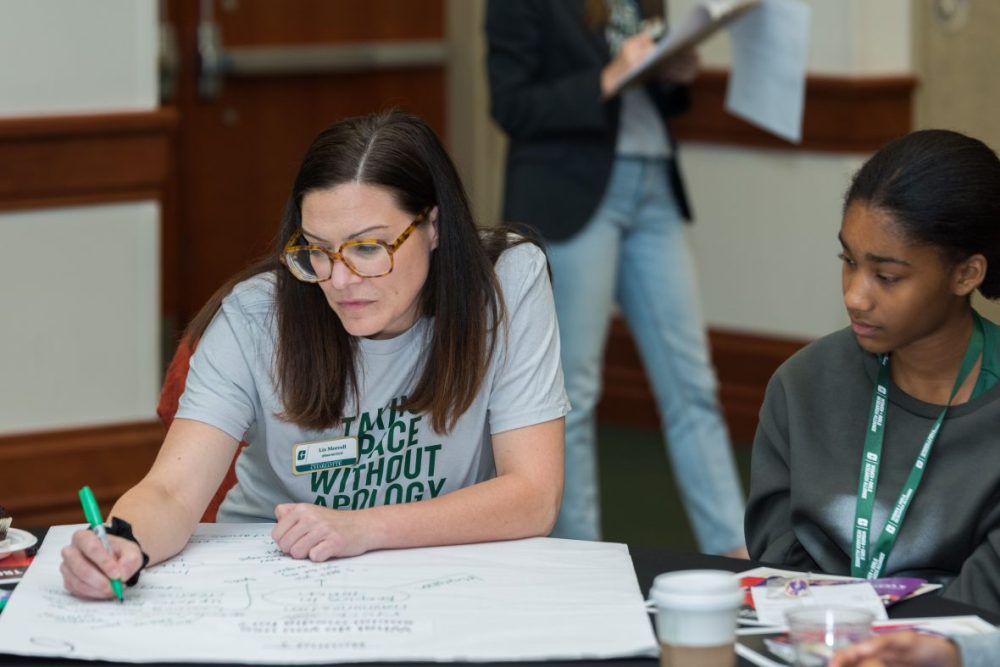
Frame your engagement and advance your career. The Charlotte Urban Institute offers tools and support to help you document your community-engagement work, and craft strong RPT statements and make your impact visible.
Community Innovation Incubator
This award-winning program brings together residents and researchers to tackle local challenges—creating projects that are community-owned, sustainable, and rooted in shared knowledge. The incubator’s goal is simple but powerful: create outcomes that endure. By focusing on projects that are community-owned, sustainable, and built for long-term impact, we ensure that the work continues to benefit Charlotte well beyond the life of the program.
How it Works
For Faculty
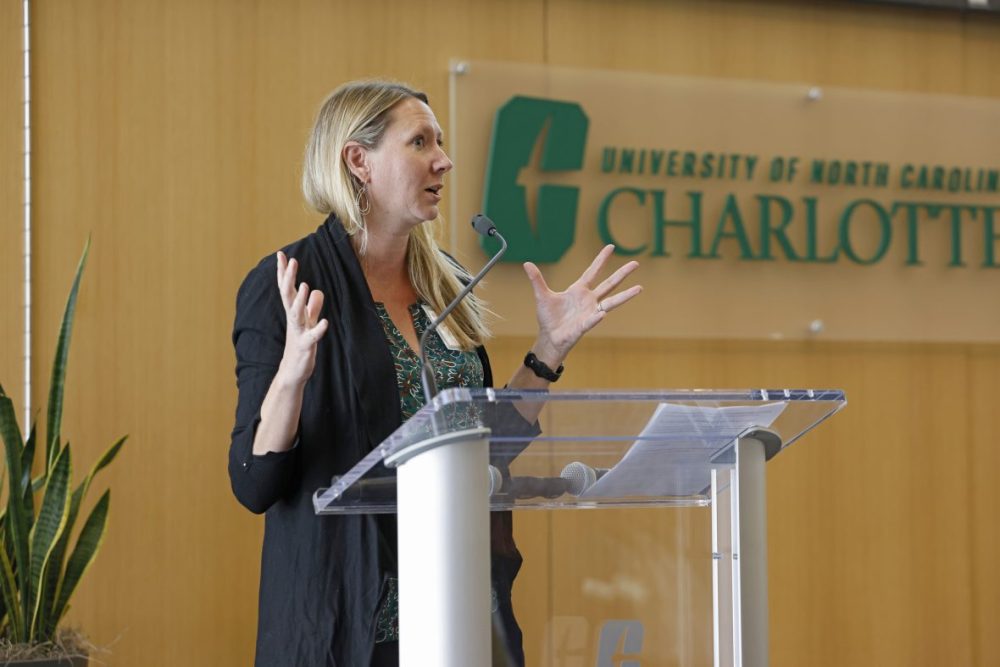
As a faculty partner, you’ll collaborate directly with corridor residents and local leaders to co-design initiatives, build interdisciplinary relationships, guide applied research, and contribute to reports, presentations, and publications that reflect shared ownership and sustainable change.
For Students
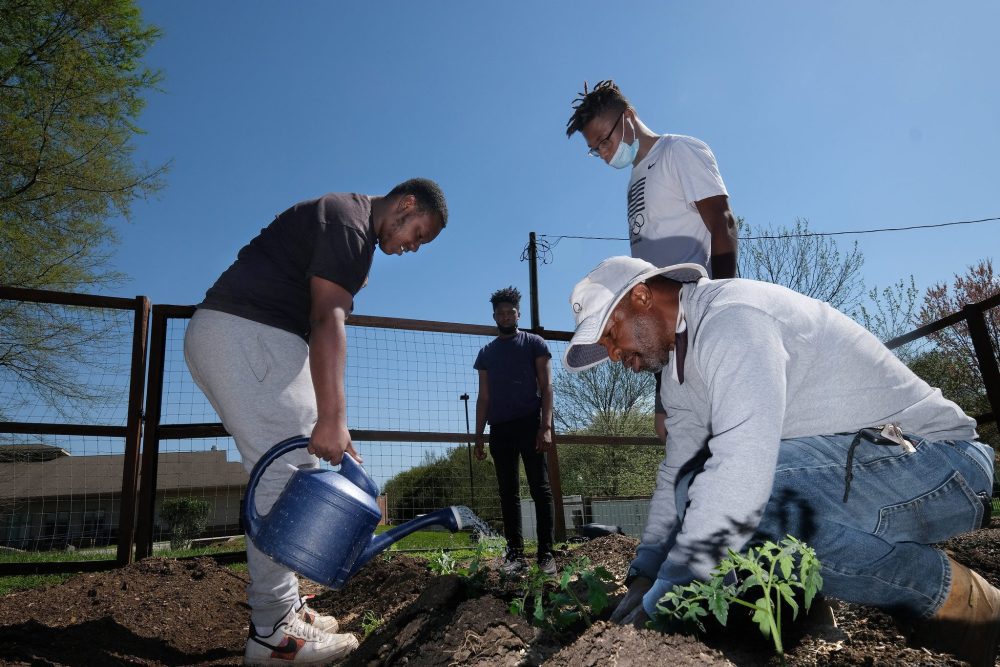
As a Community Innovation Incubator Fellow, you’ll join a cohort of peers to map community assets, develop case studies that highlight challenges and progress, collaborate with youth leaders on youth-centered recommendations, and design a community service project rooted in local priorities.
For Community
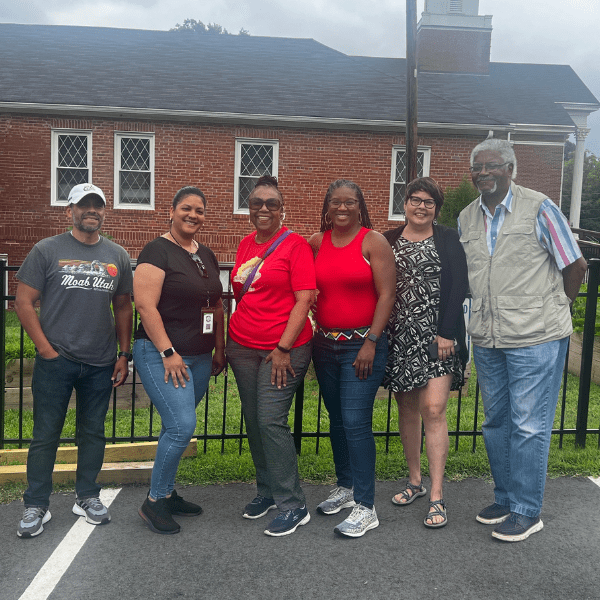
As a community partner, you’ll work alongside university teams to define priorities, guide project development, and ensure outcomes reflect the lived experiences and aspirations of your neighborhood. This process of building capacity, amplifying local assets, and advancing solutions stays rooted in equity and sustainability.
Initiative Outcomes
West Boulevard
Residents along Charlotte’s West Boulevard corridor identified food access as a persistent community challenge after full-service grocery stores closed and replacement retailers failed to return. Neighborhood leaders had organized, advocated, and participated in prior planning efforts, yet residents continued relying on convenience stores and distant supermarkets.
The Community Innovation Incubator engaged community partners to examine locally driven solutions that could improve healthy food access while supporting economic opportunity and neighborhood stability.
Hidden Valley/Sugar Creek
The Hidden Valley and Sugar Creek corridor is a community shaped by rapid demographic change, economic transition, and long-standing neighborhood pride. Once defined by stable homeownership and strong social networks, the area now reflects increasing cultural diversity, housing pressures, and uneven access to coordinated services that support community well-being. These overlapping conditions created a need for a shared space that strengthens connection across residents, organizations, and generations.
Through the Community Innovation Incubator, community leaders and UNC Charlotte researchers partnered to explore how place-based investment could improve quality of life.
Student Opportunities
UNC Charlotte is where your education meets the real world. Through programs like CRU and the 49er Democracy Experience, you can build real-world connections, whether you’re supporting local initiatives, working on creative projects, or reflecting on what it means to belong to a community, UNC Charlotte offers the chance to connect your learning to real-world outcomes that matter.
Community Resource Unit (CRU)
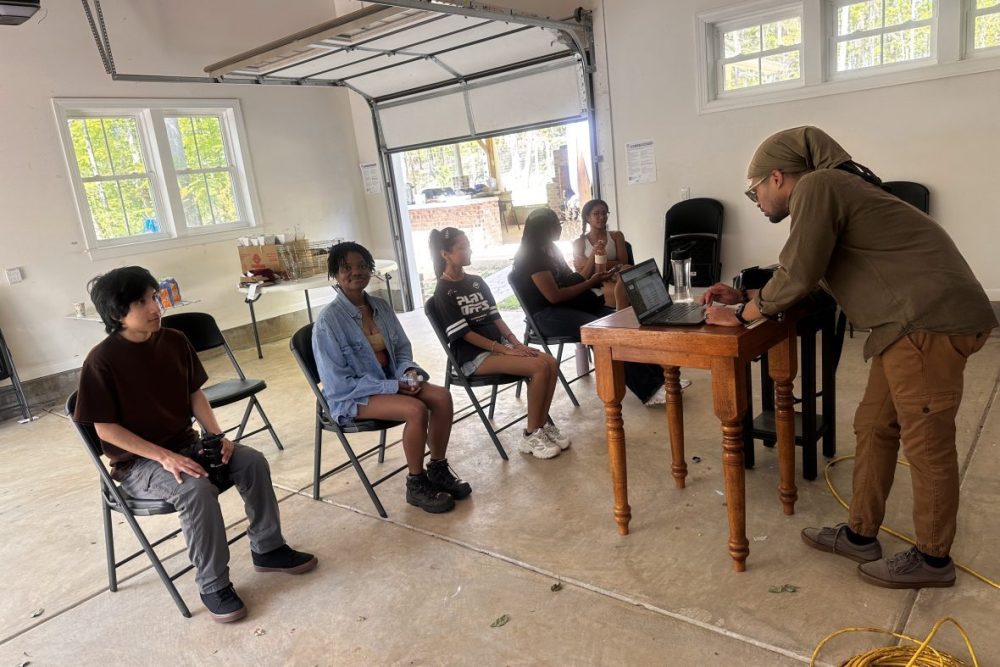
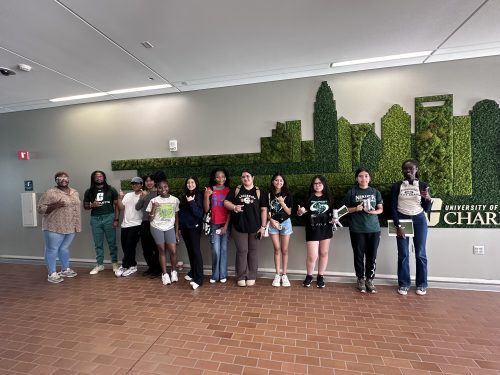
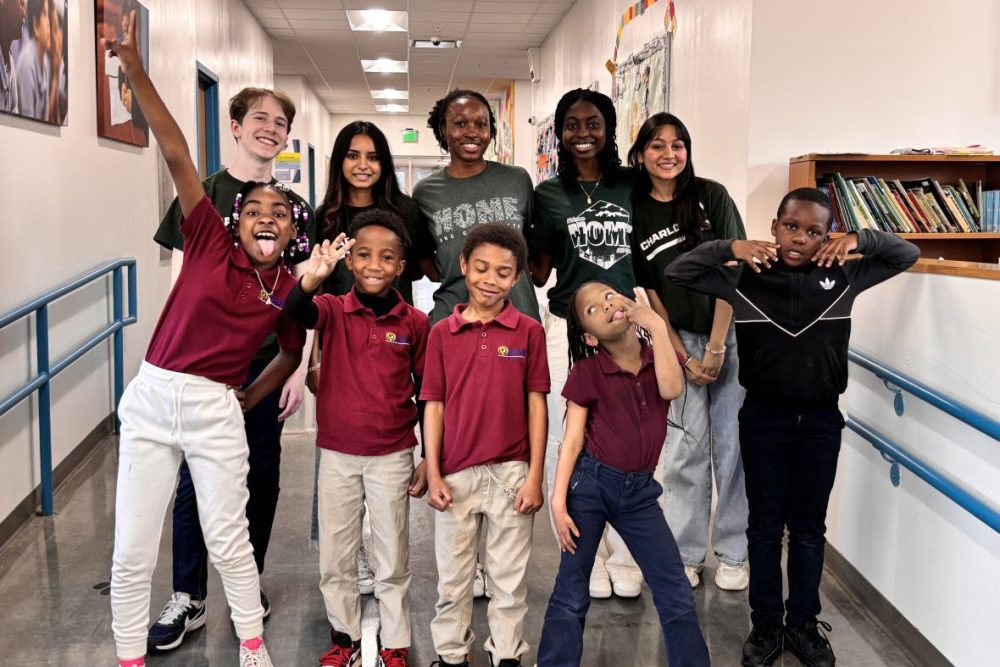
CRU is a semester-long, paid experience that combines real-world learning with personal reflection. Each student is matched with a community or campus partner, where they contribute up to 10 hours a week through projects, service, or creative work. These placements are shaped around your interests and designed to challenge you, support you, and connect you with the people and stories that make up Charlotte.
2025-2026 Community Partners
Now accepting applications through July 31, 2026!
49er Democracy Experience
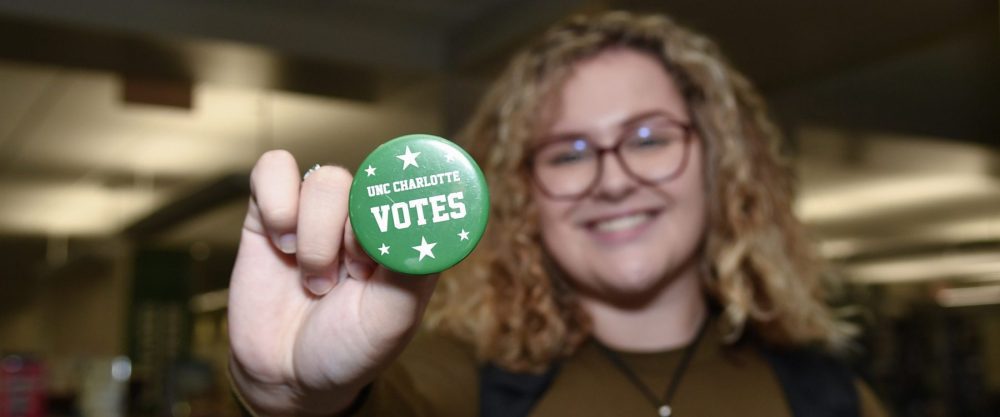
Education and civic engagement go hand-in-hand. At UNC Charlotte, the entire University community is able to learn about and get involved in the issues, discussions and democratic processes necessary to shape a productive society.
Through the 49er Democracy Experience, expert faculty, civic-minded students and community partners come together to deliver educational programming and participate in activities that enhance public understanding of and participation in the democratic process.
Looking for the right connection?
The Charlotte Urban Institute links you with opportunities to learn, collaborate, engage in meaningful research, and make an impact in the community. Whether you’re faculty, staff, a student, or a community partner, we’re here to help you make the connections you need.
Stay Connected
Explore the work of the Charlotte Urban Institute through updates on research, policy, partnerships, events and opportunities for faculty and staff. Our newsletters keep you connected to the people, projects and insights driving impact across the region.